What are gas fee
August 18, 2022
Before we dive into NFTs, it's important to understand the “non-fungible” part of “non-fungible token.” When an item is fungible, it means it's interchangeable with another of the same item. A classic example is a $1 dollar bill: you could swap dollars with someone and you'd both still have $1.
Non-fungible, on the other hand, means the item is totally unique, and therefore has its own unique value. For example, two cars of the same make and model might have different values based on how many miles are on the odometer, their accident records, or if it was previously owned by a celebrity.
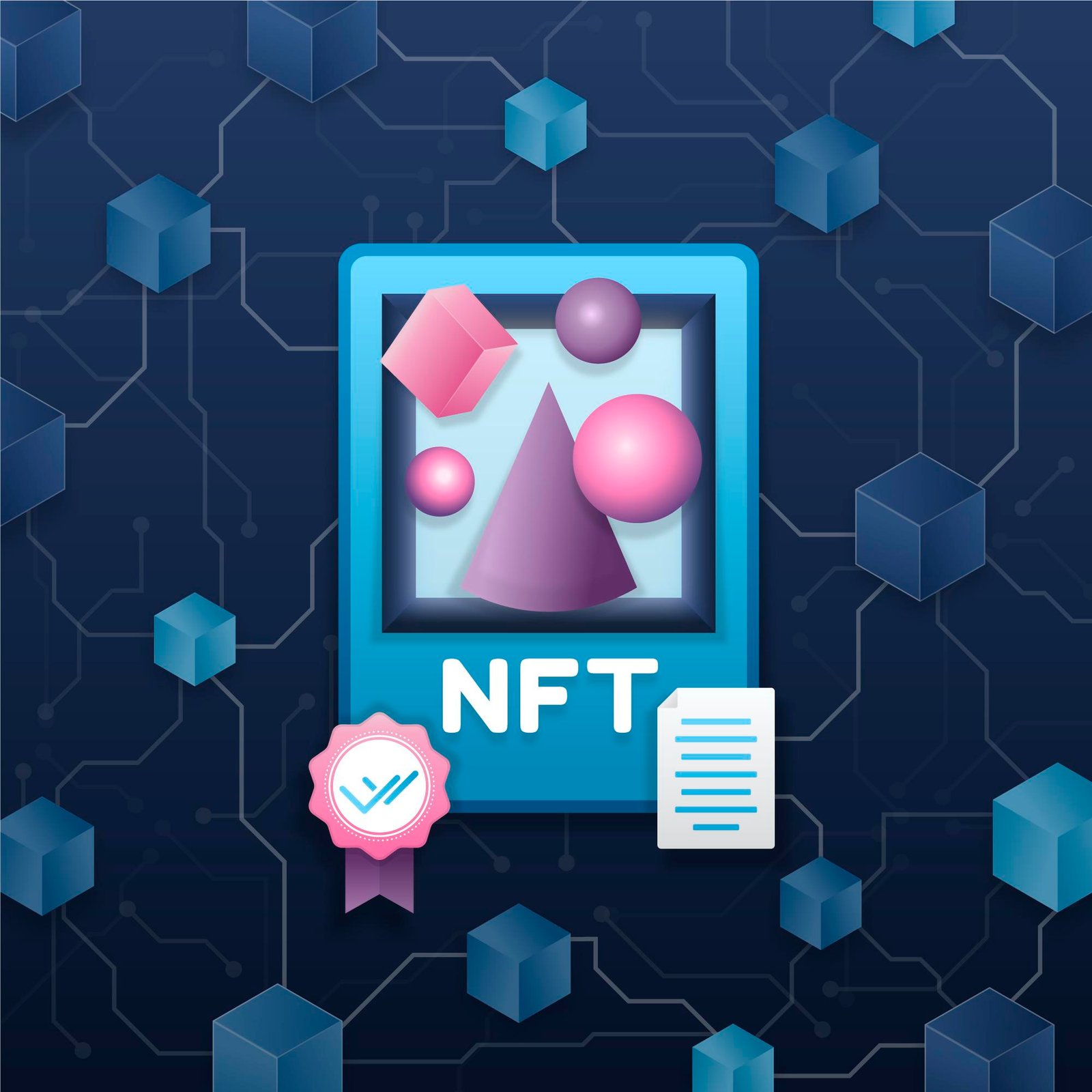
NFTs operate on blockchain technology. The blockchain is basically a large, digital, public record. The most popular blockchains are distributed across many nodes (read: people's computers), which is why you'll hear them described as “decentralized.”
So instead of a central company-owned server, the blockchain is distributed across a peer-to-peer network. Not only does this ensure that the blockchain remains immutable, it also allows the node operators to earn money, instead of a single company. Because the blockchain records and preserves history, it is uniquely positioned to transform provable authenticity and digital ownership.
When someone creates, transfers, buys, sells, or otherwise does something with an NFT, that all gets recorded on the blockchain. This is what enables authentication.
This record serves as a permanent statement of authenticity that can be viewed or accessed by anyone. Today, when you buy a piece of art or a collector's item, it typically comes with a paper certificate of authenticity, which you must then keep track of forever. It is easily forgotten, lost or destroyed, creating a very fragile system for authenticity. Blockchain's offer a simple and more secure solution to this long standing issue of proving authenticity.
Let's say you want to buy a piece of artwork from Tyler Hobbs. With NFTs, you can see the entire history of that piece, all the past owners, every sale, all the way back to Hobbs' original creation of the piece. Without NFTs, you wouldn't know if you were buying the real piece or just a really good fake.
Blockchain technology is revolutionary for digital items. With NFTs, digital items can be provably scarce, openly transferable, and have authenticated ownership. But you might be thinking…so what?
For creators, these new attributes are incredibly powerful. Instead of distributing their artwork, music, or other creations on platforms that are traditionally hard to monetize, they're able to sell unique and authenticated items on a blockchain-based marketplace. In addition to the initial sales, NFT creators may receive set creator earnings on secondary sales. For example, a developer could make an in-game skin that can be used across a variety of games and has established authenticity and ownership, and that developer may earn money other times that skin is bought or sold.
This technology is revolutionary for collectors, too. Imagine you're about to buy a concert ticket online— with NFTs, you can trust its authenticity, because of the undisputed blockchain history, instead of relying on the reseller's word.
New applications for the blockchain are constantly emerging. New use cases include identity verification, intellectual property, and storage solutions, like Courtyard, which holds physical inventory and enables you to safely hold, sell, or claim your item you're ready to redeem. The possibilities for future applications are endless!
With the growing popularity of NFTs, many marketplaces have cropped up to fill the increasing desire to buy and sell these items. Every marketplace is different— some specialize in only one blockchain, some are exclusive and curated, and some focus on certain kinds of NFTs. OpenSea is the largest NFT marketplace, with the best selection— it supports multiple blockchains and hosts millions of NFTs.