What is NFT
August 18, 2022

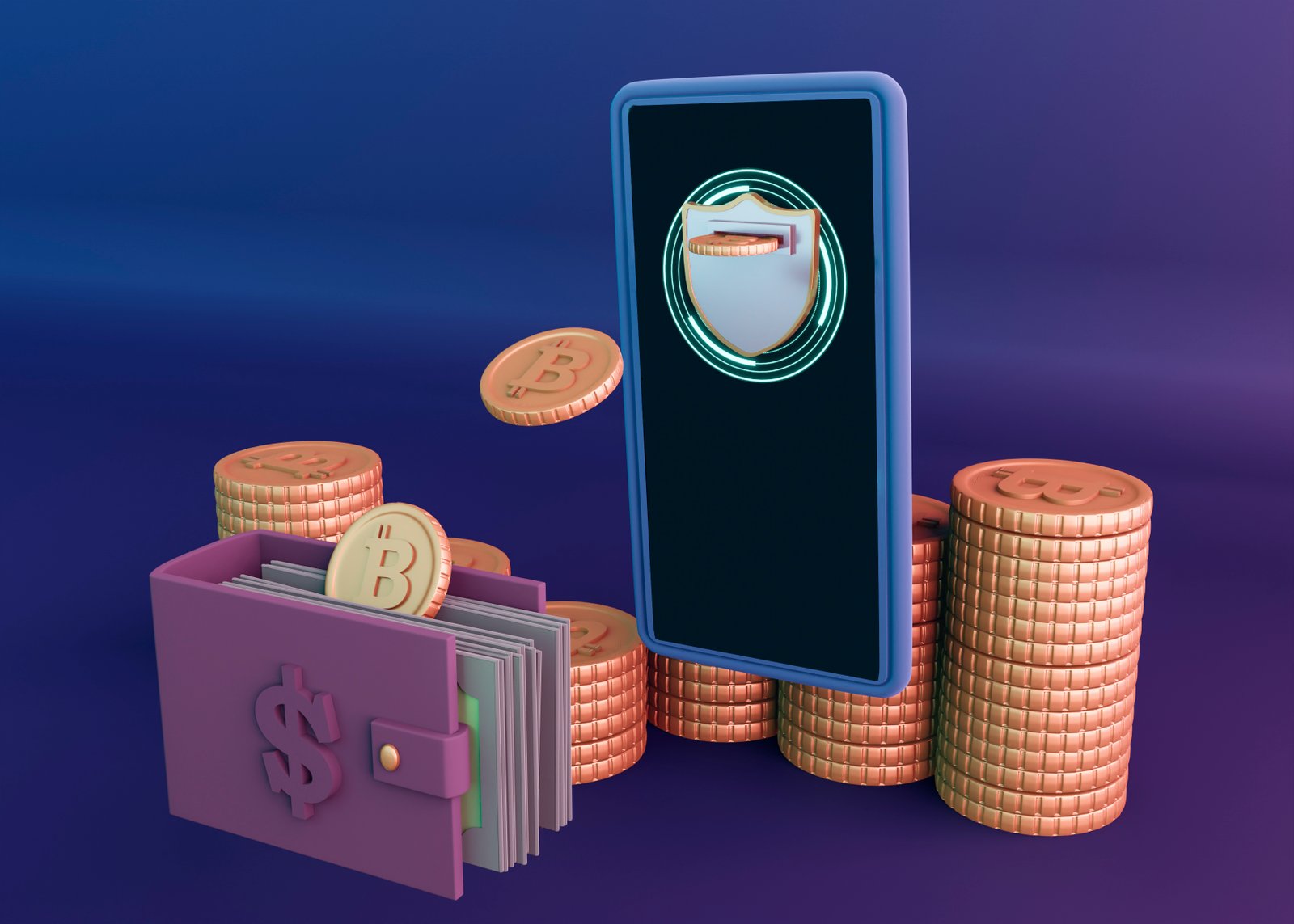
In simple terms, a crypto wallet helps you buy, sell, and store your cryptocurrency and (in many cases) your NFTs. Going a level deeper, a crypto wallet manages access to your private key, which is needed to control a blockchain wallet address.
Important distinction: Your cryptocurrency and NFTs are not stored in/on a crypto wallet; they remain on the blockchain and can be accessed, controlled, and managed through use of a crypto wallet.
Think of your wallet as the key to your address on the blockchain. You use the key to:
Just like any key, protecting your private key or seed phrase is critical.
There are two main types of crypto wallets: custodial (also called “hosted”) and non-custodial (or "self-custodied") wallets. Custodial wallets are managed by a third-party company, whereas a non-custodial wallet is not. Custodial wallets are akin to keeping the key to your safe at a secure facility operated by a third-party (who will verify your identity in some way before giving you the key), and non-custodial wallets are akin to keeping your key with you or at your home.
Custodial wallets therefore require less responsibility, but are at the mercy of the third party (like, if the third-party's facility was robbed).
Non-custodial wallets give you full control but also mean you have to be extra careful (like, not losing your key or accidentally throwing it away when you reorganize your closet).
Non-custodial wallets include software and hardware wallets. These are also known as "hot wallets" and "cold wallets."
A software wallet (or hot wallet) is a program that lives on your computer, mobile device or on your internet browser. This makes software wallets a great option for quickly and conveniently buying, selling, and transferring NFTs and cryptocurrency.
A hardware wallet (or cold wallet) is a physical device that you may need to plug into your computer to use. Because it's not always connected to your computer or browser, it's a great option for long-term secure storage but is a bit less convenient for fast or frequent transactions.
Software and hardware wallets typically require you to set up your own password or pin to access the wallet. This password or pin is different than the seed phrase used to regenerate your private key.
Just like any other valuables, you'll want to employ some best practices for keeping your crypto wallet safe. Here are some tips: